
'Earned Wage Access' Startups
Employers are recognising the correlation between their employees' financial wellness & their engagement. How well is the employees' financial wellness doing though?

At first glance, the ‘Earned Wage Access’ apps or ‘Payday Advance’ apps seem predatory, almost feudal. They are targeted at low to medium wage earners, who receive their monthly salary say at the end of the month, but would like to have access to that money in advance, in the middle of the month. The app gives them access to these funds (to the maximum extent of number of days already completed in that job in that month), but these are short-term, high-cost personal loans with steep fees & high interest rates. They have the potential to trap users in a cycle of debt & to turn exploitative. Having said that, these apps have helped many, especially Americans, through the years of high inflation in the pandemic years. $9.5 billion wages were accessed early by Americans during 2020, triple the $3.2 billion accessed in 2018.
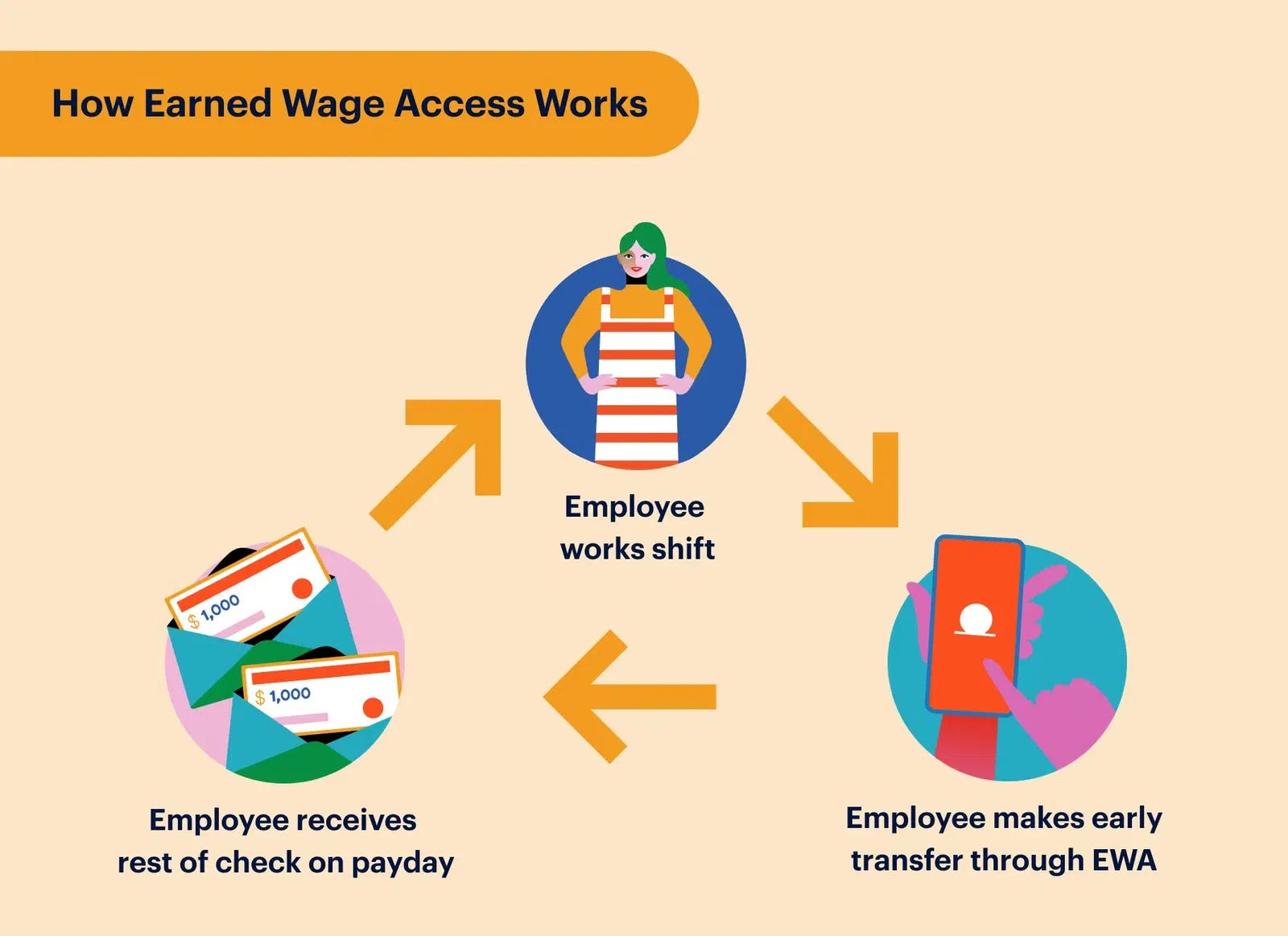
Although these start-ups have mushroomed globally now, their strongest foothold is currently in the US, where 125 million adults are unable to cover a $400 expense with readily available cash or credit. DailyPay & PayActiv are among the largest players in this field — both are employer-sponsored programs (i.e. when an employee who works as a cashier at Burger King wants to access his salary early, it is possible for him to do so if Burger King as an employer has signed up with DailyPay or PayActiv). Both start-ups have been aggressive in marketing their platform to employers, citing high employee motivation. For example, these are the headlines displayed prominently on the website of DailyPay:
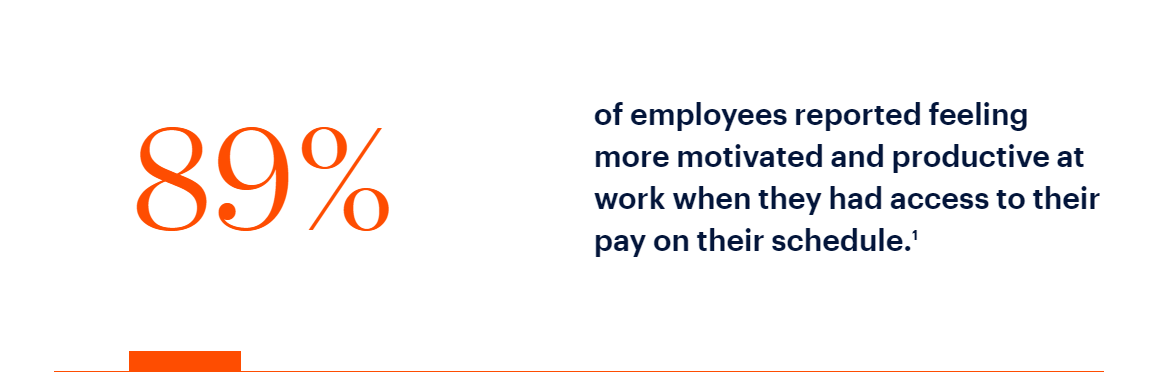
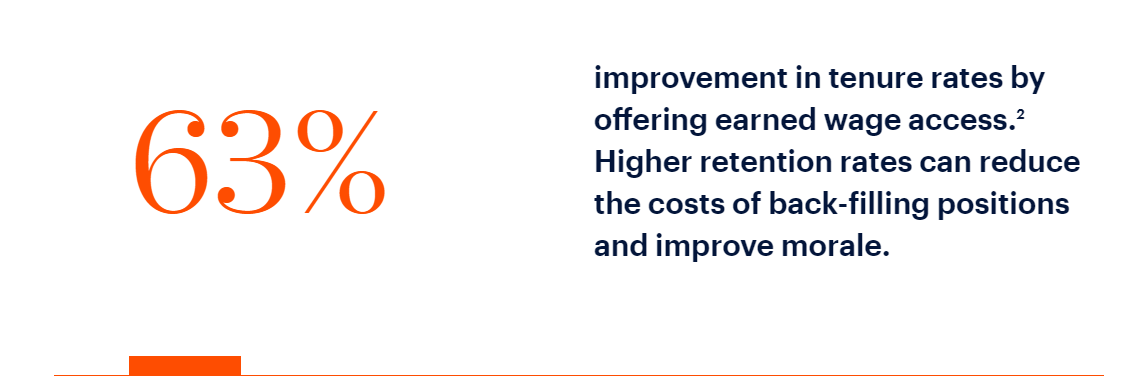
The pandemic years in the US saw high inflation, even regular groceries got steeply expensive in comparison to the increase in salaries. 20% of US companies with majority hourly workforces offer Early Wage Access programs. Regulators of course worry about these programs getting over-used & abused. Instead of treating them as one-off, in-case-of-emergency loans, they could form debt spirals. Total fees translate to an annual rate of more than 330% for the average Earned Wage Access user in the US. In the US the regulations differ state by state, as many US states do not consider these as financial product companies at all.
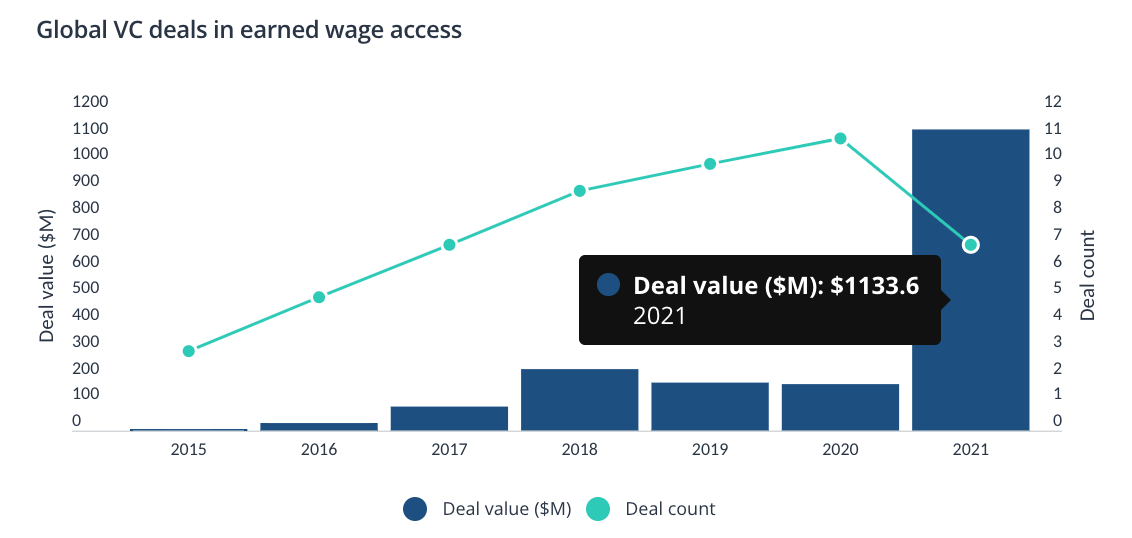
They say Asians are traditionally more fiscally prudent. Maybe so, but Asians borrow between salary days too. There has been a growing momentum in Earned Wage Access companies in all continents of the world. Visa tied up with Vui in Vietnam, where they found 17% of the labor force borrow regularly between paydays.
In Malaysia, the early wage access platform HariGaji received a prestigious government grant in 2021. The platform focusses on construction workers & provides early wage access while emphasising on financial literacy & training on savings & financial responsibility.
Singapore-based GetPaid focusses on slightly higher customer segment - the clerical staff or admin assistants. GetPaid was a finalist at the 2023 Singapore FinTech Awards.
Indian salaried folks see a surge in spending during the festive season or for weddings, that’s where start-ups like Refyne step in. Another hopeful, KarmaLife, is sharp-focussed on the non-salaried gig economy workers, those blessed men on two wheelers who are saving the Indian upper class the hassle of weaving through the gridlock of city traffic, by delivering absolutely everything to their doorsteps.
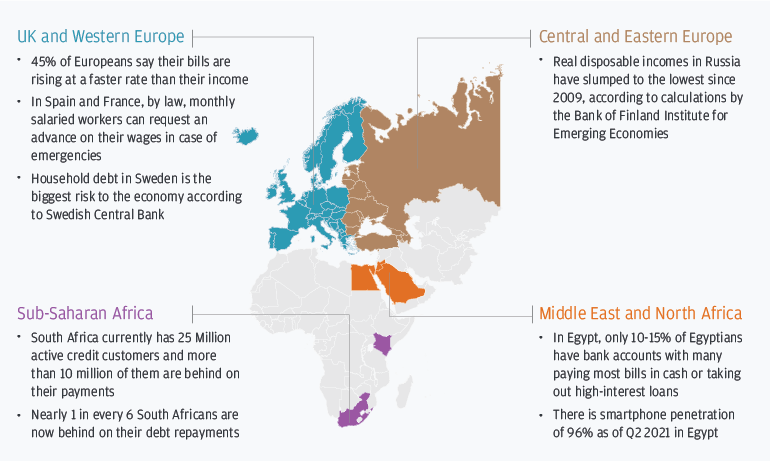
We have talked about Lending FinTechs before. Lending platforms do well when they have access to low cost of capital, and when they lend responsibly. How responsibly can these platforms lend to customers who are living with close to zero safety net, is the big question. The platforms argue that they have the month’s upcoming salary cheque as their collateral. How sure are they though that the salary cheque is acting as a collateral only for their one loan?
Middle class families need credit to tide over difficult times. If not for these start-ups, they would turn to pawnshops & other such means. At least these start-ups are comparatively above-the-board & at least they are talking about social impact. Models where the employer — rather than the employee — bears a fixed fee per disbursement or a fixed subscription cost make a stronger case in terms of social impact. Unfortunately, these are also a harder sell for these ambitious young start-ups. Nevertheless there are some who are trying to do this, lets hope they do well!